Stop Deciding, Start Designing: Routines and Systems That Stick
In the productivity world, we hear a lot about building the right routines and systems, but what does that even mean? Are routines and systems the same thing? If they’re different, how so? As we head into 2026 New Year New You energy, I’d like to clarify routines and systems, so we can use them both to our benefit.
Defining Routines and Systems
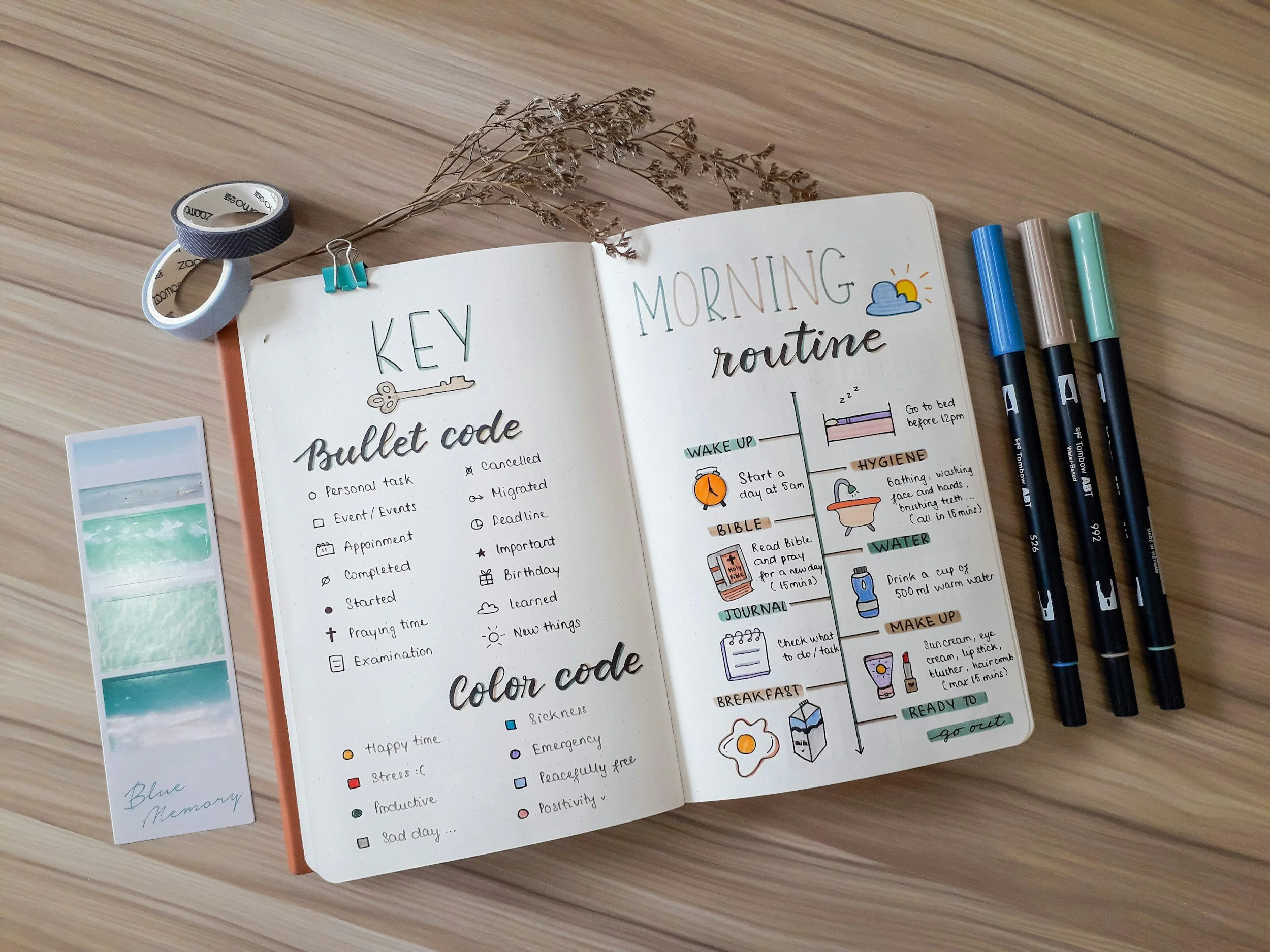
A routine is the usual series of things done at a particular time or to achieve a particular result. An example is an evening routine of removing makeup and brushing your teeth to get ready for bed. A routine exists as a ramp to get you where you want to go; a routine does not exist for the routine’s sake (if it does, it probably won’t be a successful or productive routine).
A system is a set of principles or procedures according to which something is done; an organized framework or method. A few examples of systems you might use would be a shared family Google calendar for all of your events, always using Amazon subscribe and save for paper products or pantry staples, or a weekly Monday morning team meeting.
Creating Structure
Routines and systems create structure that takes some of the load off of us to decide things all the time and that resonates with me because decision fatigue is real. Creating a routine or system can help alleviate the crushing mental load of some of the many things you’re carrying around in your brain (or your planner).
A routine creates structure by automating some daily tasks and decisions and providing a predictable framework for your day. Automating even a tiny thing like your coffee order or the way you get ready in the morning can give you a clear path to follow, paving the way for you to expend your limited mental energy on more important tasks.
Systems create structure by implementing decision-making frameworks that help you focus on essential priorities. For instance, instead of standing in the kitchen every afternoon asking what’s for supper, a meal queue used for meal planning can create a framework wherein you’re not trying to find something from an infinite number of recipes out in the ether. A framework like meatless Friday or pizza Wednesday can narrow your focus to make it easier to choose what’s for dinner without locking you into boring repetition.
Routines and systems can both help when you’re trying to make a change or addition to your daily life. James Clear’s popular book, Atomic Habits, discusses reducing the need for willpower by adding a new habit into an existing routine. For example, I never miss my morning coffee. In fact sometimes I stand there and wait for it to be brewed, so when I wanted to add some health supplements to my daily routine, I stored them by the coffee pot to make it easier for me to remember to take them.
My Favorite Systems: Decide Once & Batching
The Lazy Genius principle of Decide Once is a great system to implement for certain things. Deciding once is a principle where you make a decision and stick with it until it not longer works, eliminating the need to make that decision repeatedly. An example of deciding once that worked for me for years was a smoothie for lunch almost every day. If I had the opportunity or desire to have something else, I could, but I didn’t have to open the fridge every day and think, “Ugh, what am I going to eat for lunch?” One less decision for my over-taxed brain. There are loads of ways you can decide once. Kendra’s first book The Lazy Genius Way has 12 other principles that you can use to create systems for your life.
Batching is another Lazy Genius principle. It just means doing like things together. For instance, setting aside an hour to do your filing before clocking out on Friday afternoons. Another example is chopping veggies for the week as soon as you get home from the grocery store. Batching like items can save and brainpower, because you’re not constantly switching back and forth between tasks.
Join Us for More Kind Productivity Talk
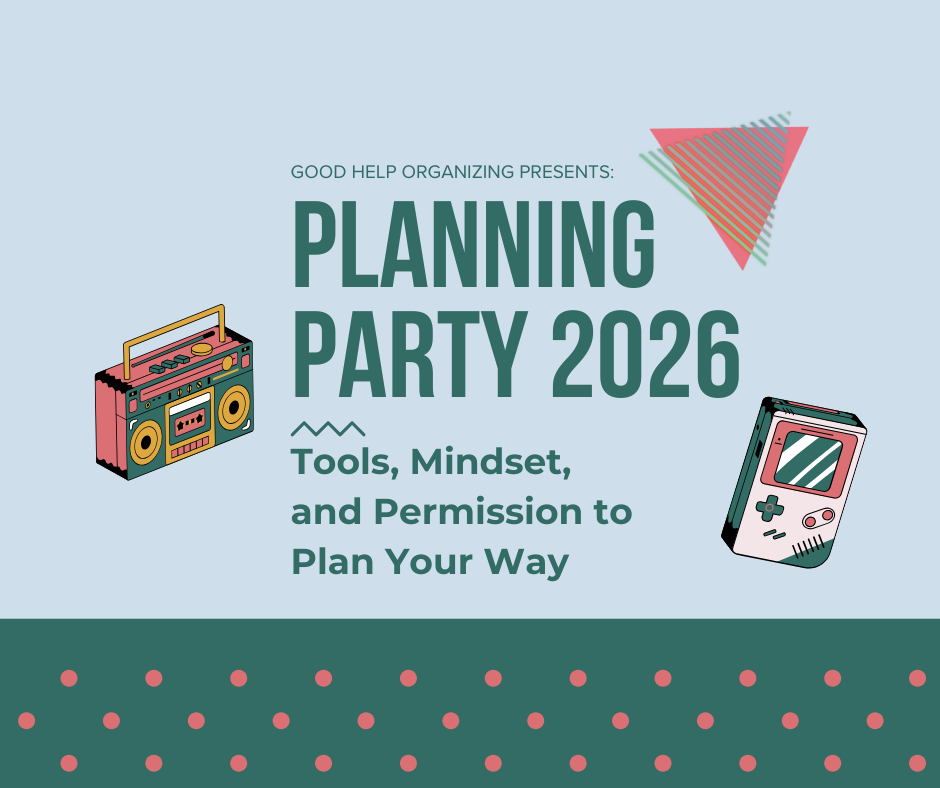
Spending some time evaluating your existing routines and systems can enhance your productivity, save you time, and create some mental clarity. If you’d like to set aside some time to do just that, consider joining us at the Good Help Organizing Planning Party. On January 17, we’ll be joining together with other like-minded women to talk all things planners and planning in a casual, friendly environment. We want to be ourselves, not productivity robots, but we also need to get stuff done!
We’ll have coffee and a light breakfast in a cozy, relaxing atmosphere. We’re talking planning tools, mindsets to help you be kind to yourself and tackle those to-do items, along with permission to do it your way.
Tickets are $40 and on sale now. Click the button to get yours today!